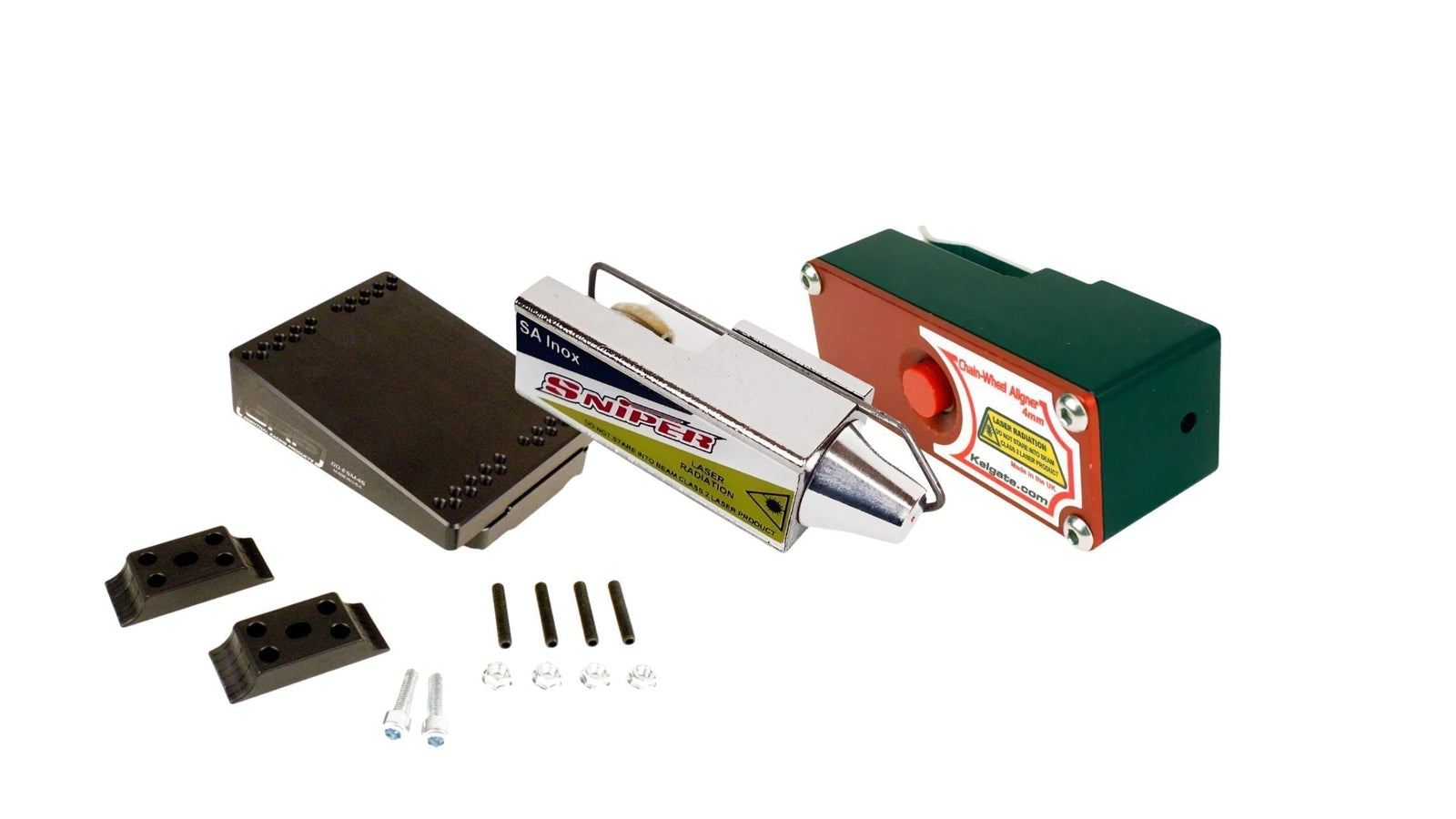

Kart motor mount setup is one of those things that gets skipped in favor of more visible adjustments, and the consequences show up everywhere else in the drivetrain. A chain jumping off a sprocket, inconsistent acceleration, premature chain and sprocket wear are the symptoms that bring racers back to the mount, usually after they have already spent time chasing the problem somewhere else. The mount is not complicated, but it is foundational. If it is off, everything connected to it is off too.
Most of the performance problems that originate at the motor mount are preventable with a correct initial setup and a regular inspection habit. Getting the alignment right, setting tension properly, and keeping the mount secure under racing conditions removes one of the most common sources of drivetrain inconsistency in competitive karting.
The motor mount holds the engine in a fixed position relative to the rear axle and sprocket. That sounds simple, but the precision with which it does that job has a direct effect on how well the drivetrain functions. The mount controls three things simultaneously: the lateral alignment between the engine sprocket and the axle sprocket, the chain tension, and the engine's resistance to movement under load.
Chain alignment is the most sensitive of the three. The engine sprocket and the axle sprocket need to be in the same plane for the chain to run straight and load evenly across the full width of both sprockets. When they are not, the chain runs at an angle across one or both sprockets, which increases friction, accelerates wear on the chain and sprocket teeth, and in severe cases causes the chain to walk off the sprocket under load.
Chain tension sits alongside alignment as an equally important variable. A chain that is too tight places excessive load on the engine and rear sprocket which increases drag. A chain that is too loose slaps against the chassis and sprocket guard, creates inconsistent power delivery, and is more likely to jump a sprocket under hard acceleration. The correct tension allows a small amount of movement at the midpoint of the lower chain run while keeping the chain from sagging enough to contact anything it should not.
Engine movement under load is the third factor. A mount that is correctly set up but improperly tightened will allow the engine to shift slightly each time the throttle is applied or released. That movement changes chain tension and alignment dynamically, producing inconsistent power delivery that is difficult to diagnose because it is not visible at rest. You feel it before you see it.
Drivetrain problems that originate at the motor mount compound over the course of a race day. A small misalignment that barely registers in practice produces measurable wear and inconsistency across a full day of racing. Understanding the chain of cause and effect makes it easier to trace symptoms back to the mount before the problem escalates.
Track Insight: Inconsistent acceleration that comes and goes without an obvious cause is often a loose motor mount rather than a carburetor or clutch problem. Check the mount before opening the carb.
A loose motor mount also transmits engine vibration directly into the chassis in a way a correctly secured mount does not. If the kart has developed a whole-chassis buzz that is hard to locate, the mount is one of the first places to check. More on diagnosing chassis vibration by source in Why Is My Kart Vibrating at Speed.
Most motor mount problems follow a recognizable pattern. Knowing what symptom maps to what cause saves time in the paddock and prevents the kind of misdiagnosis that leads to replacing parts that were not the problem.
Correct motor mount setup follows a specific sequence. Doing the steps out of order, particularly tightening before aligning, produces a setup that looks correct at rest but shifts under load.
1. Align the engine sprocket with the axle sprocket. Use a laser chain aligner to confirm that both sprockets are in the same plane. The aligner clips onto the sprocket and projects a laser line that shows immediately whether the two are aligned or offset. Visual alignment by eye is not reliable enough for this step. Even a small offset that looks acceptable visually will generate friction and wear under load.
2. Set chain tension with the engine in the aligned position. With the sprockets aligned, position the engine on the mount so that the chain has a small amount of vertical movement at the midpoint of the lower run. The commonly cited amount is roughly half an inch of play, but the right amount depends on the chassis and engine combination. The chain should not be tight and it should not sag enough to contact the guard or chassis rail. It should also not be so loose that you can feel some "whip" when checking the tension by hand. Make sure you rotate the axle and check the chain tension in multiple spots to confirm there isn't any tight or loose spots on the chain.
3. Tighten mount bolts evenly and in sequence. Tighten the mounting bolts in a cross pattern rather than running one side down fully before moving to the other. Uneven tightening can shift the engine position slightly as the bolts seat.
4. Recheck alignment after tightening. Tightening the mount bolts can shift the engine position slightly even when care is taken. Run the laser aligner again after the mount is fully torqued and correct if necessary. This step is skipped more often than any other and is the primary reason setups that looked correct at first end up drifting.
5. Check tension and alignment again after the first session. New setups settle slightly after the first run. A recheck after the first session catches any drift before it becomes a problem and confirms the setup is holding correctly under racing conditions.
Chains and master links | Sprockets
Track Insight: If the chain has an obvious tight or loose spot when rotating the axle and checking the chain tension, the sprocket or sprocket hub could be out of round. The chain could also be stretched in a particular spot. If you find a spot in the chain that is a different tension than the rest of the chain the next step is to inspect the sprocket, sprocket hub and chain for an issue.
Sniper Laser Chain Aligner
View ProductGetting close is not the same as getting it right. A setup that is approximately correct will still generate wear and inconsistency, just more slowly than one that is significantly off. The tools that make motor mount setup accurate are not expensive relative to the cost of the chain, sprocket, and engine components they protect.
A laser chain aligner is the single most important tool for this job. The Sniper or Eagle Eye Laser Chain Aligner clips directly onto the sprocket and projects a precise reference line that makes alignment visual and measurable rather than approximate. It works on both the engine sprocket and the axle sprocket and takes the guesswork out of a step that is too important to guess at.
Eagle Eye Laser Chain Aligner, Red Aluminum
View ProductA chain breaker tool is essential for sizing the chain correctly during setup and for making adjustments to chain length when the mount position requires it. Having the right chain breaker for the pitch you are running, whether that is #35, #219, or #428, means chain length adjustments are clean and precise rather than a workaround.
#219 Space Chain Breaker Tool
View ProductBrowse the full range of chain tools and alignment equipment at Comet to make sure you have what the job requires.
A motor mount that has worn past its useful life cannot hold a correct setup regardless of how carefully the setup procedure is followed. Recognizing when the mount itself is the problem saves the frustration of repeatedly correcting a setup that will not stay corrected.
Odenthal EZ Set 4 Cycle Engine Mount
View ProductHow tight should a kart chain be?
The chain should have a small amount of vertical movement at the midpoint of the lower run, typically around half an inch of play. The exact amount varies slightly depending on the chassis and engine combination, but the chain should never be so tight that it has no slack and never so loose that it contacts the guard or chassis rail. A chain that is too tight puts excessive load on the output shaft and axle bearings. A chain that is too loose slaps under acceleration and is more likely to jump the sprocket.
How do I know if my kart motor mount is loose?
The most common sign is a chain that was properly set before the session that is too tight or loose after you come off the track. A loose mount allows the engine to shift slightly under load, which changes chain tension and alignment dynamically. If you grab the engine with the kart on a stand and feel any movement at all, the mount needs to be checked and retightened.
What causes a kart chain to keep jumping off the sprocket?
Chain walking or jumping off the sprocket is almost always a misalignment issue. The engine sprocket and axle sprocket are not in the same plane, which pushes the chain laterally with every revolution until it disengages. The fix is to realign the sprockets using a laser chain aligner rather than replacing the chain or sprocket. If the chain continues to jump after alignment has been corrected, check the sprocket carrier bolts for tightness and inspect the mount slots for wear. Running a Sprocket Guard can help remedy this issue if it's a common issue and everything else checks out.
Why is my kart chain hot after a race?
A chain that is noticeably warm or hot after a normal session is generating excess friction. If the chain has proper lubrication the two most common causes are a chain that is too tight and sprockets that are misaligned. Both conditions create friction that would not exist in a correctly set up drivetrain. Check chain tension first since it is the quickest adjustment, then use a laser aligner to verify sprocket alignment. A chain running hot will wear significantly faster than a correctly set up chain.
How often should I check kart motor mount alignment?
Alignment should be verified at the start of every race day as part of standard pre-session preparation. After any contact on track, check the mount before going back out regardless of how minor the impact felt. New setups should also be rechecked after the first session since components settle slightly under racing conditions.
Can a loose motor mount cause vibration?
Yes. A loose motor mount transmits engine vibration directly into the chassis rather than isolating it through a secure mounting point. This shows up as a whole-chassis buzz that seems to come from everywhere at once rather than a rhythmic or pulsing vibration tied to a specific component. If the kart has developed a general buzz that was not there before, the motor mount is one of the first things to check alongside the axle and chassis bearings.
The motor mount is not the most exciting component on a kart, but it is one of the most consequential. Chain life, sprocket wear, clutch load, and the consistency of every lap the kart turns all trace back to whether the mount is doing its job correctly. A drivetrain that feels crisp, predictable, and consistent under hard acceleration is almost always one where the mount has been set up properly and is being maintained.
The racers who get the most out of their chain and sprocket life are the ones who treat alignment and tension as a setup variable rather than a background concern. They check the mount after contact, recheck after new setups settle, and verify alignment any time the drivetrain starts behaving differently than expected.
Most drivetrain problems that seem complicated are not. They start at the mount, and they end there too when the setup is right.
 2650 West Main Street Greenfield, IN 46140
 317-462-3413